Microsoft Flight Simulator first came out in November 1982, for the IBM PC, three years before Windows. That makes it Microsoft's longest-running product line. It grew out of Bruce Artwick's 1976 university thesis, and through 13 main versions, from Flight Simulator 1.0 to Microsoft Flight Simulator 2024, the latest, which came out on November 19, 2024 and reached the PS5 in December 2025. The 40th Anniversary Edition is not a separate game: it was a free 2022 update to Microsoft Flight Simulator (2020), and it's the name that version is sold under today.
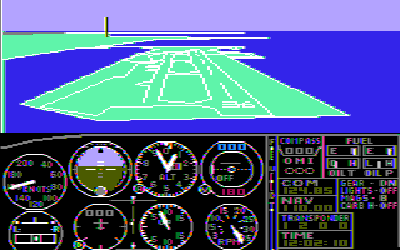
- 1982 · Flight Simulator 1.0
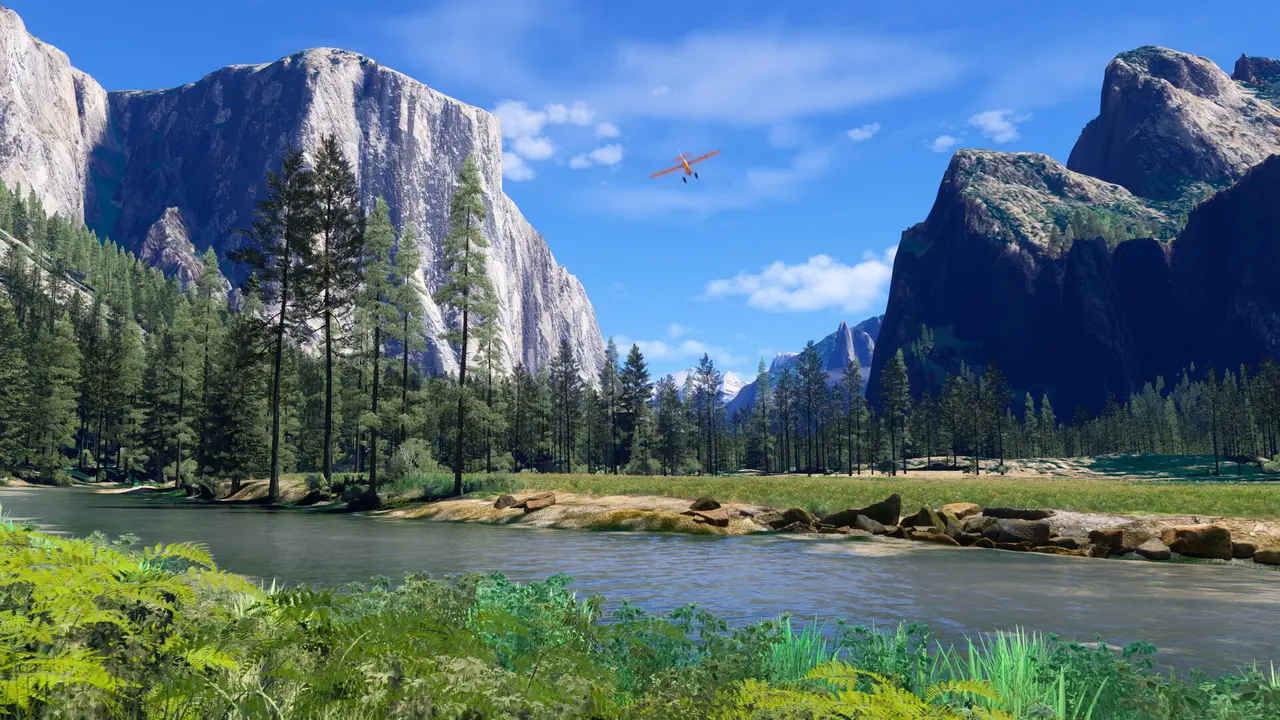
- 2024 · Flight Simulator 2024
| At a glance | |
|---|---|
| First version | Microsoft Flight Simulator (1.0), November 1982, IBM PC |
| Before that | subLOGIC's Flight Simulator (FS1), January 1980, Apple II |
| Created by | Bruce Artwick (subLOGIC, then the Bruce Artwick Organization) |
| Main versions | 13, from 1.0 (1982) to MSFS 2024 |
| Latest | Microsoft Flight Simulator 2024: PC and Xbox (Nov 2024), PS5 (Dec 2025) |
| Made today by | Asobo Studio, in France, for Xbox Game Studios |
Before Microsoft 1977–1982
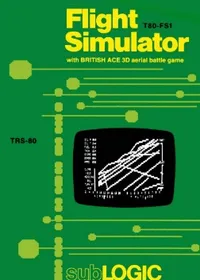
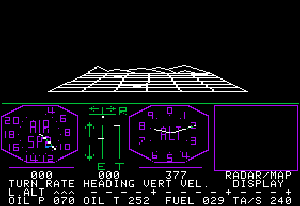
- Jan 1980 Flight Simulator (FS1) Apple II, then TRS-80 subLOGIC’s original: wireframe graphics, a WWI biplane and a 6 × 6 grid of scenery
The DOS years 1982–1995
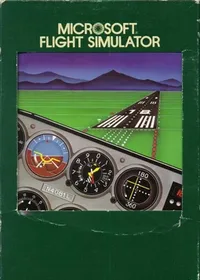
- Nov 1982 Microsoft Flight Simulator IBM PC The first Microsoft version: a Cessna 182 over four US regions, in color
- 1984 Flight Simulator 2.0 IBM PC, PCjr Joystick and mouse control, and scenery for the whole United States
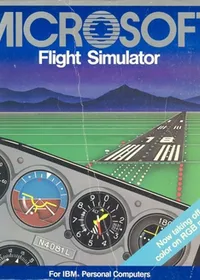
- Mar 1986 Flight Simulator for Macintosh Macintosh The series reaches the Mac
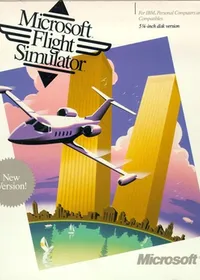
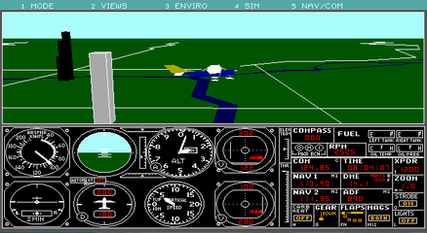
- 1988 Flight Simulator 3.0 MS-DOS Sharper EGA graphics, a Learjet, and views from outside the plane
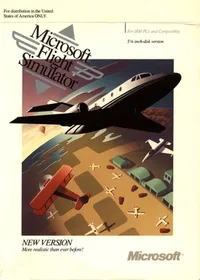
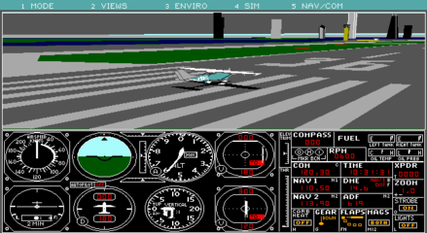
- 1989 Flight Simulator 4.0 MS-DOS, Mac Random weather, a glider, and traffic moving around airports
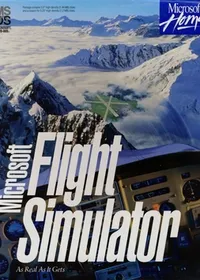
- 1993 Flight Simulator 5.0 MS-DOS Textures instead of flat colors, and a different cockpit for each aircraft
- Jun 1995 Flight Simulator 5.1 MS-DOS (CD-ROM) The first on CD-ROM, with satellite-photo scenery. The last for DOS
Windows and 3D cards 1996–2007
- Nov 1996 Flight Simulator for Windows 95 Windows 95 The first Windows version, and the first after Microsoft bought Bruce Artwick’s studio
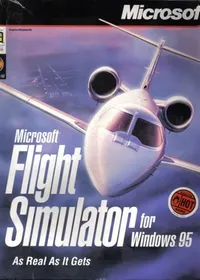
- Sep 1997 Flight Simulator 98 Windows The first to use 3D graphics cards, and the first helicopter
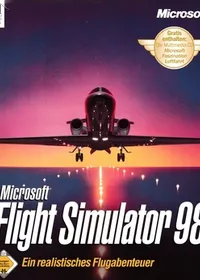
- Oct 1999 Flight Simulator 2000 Windows Over 20,000 airports, GPS, real terrain heights and live weather
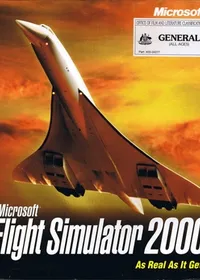
- Oct 2001 Flight Simulator 2002 Windows Air traffic control and computer-flown traffic
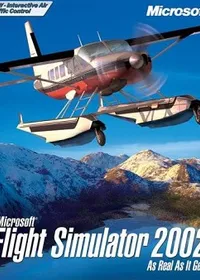
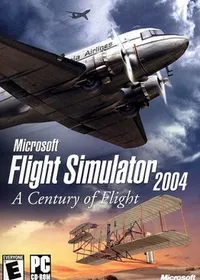
- Jul 2003 Flight Simulator 2004: A Century of Flight Windows The Wright Flyer and other classics, and true 3D clouds
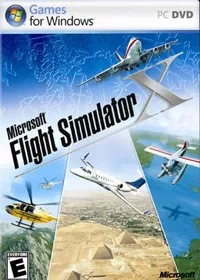
- Oct 2006 Flight Simulator X (FSX) Windows (DVD) Two online pilots in one cockpit, flights over the poles, and online activation
- Oct 2007 FSX: Acceleration Windows Expansion: an F/A-18 Hornet, P-51D Mustang and air races
The gap 2009–2019
- Feb 2012 Microsoft Flight Windows A free-to-play spin-off with Hawaii, cancelled after five months. Not part of the series
- Dec 2014 FSX: Steam Edition Windows (Steam) Dovetail Games re-releases FSX, which is still on sale
The whole planet 2020–today
- Aug 2020 Microsoft Flight Simulator (2020) Windows The whole planet from Bing Maps photos and 3D-scanned cities, streamed as you fly
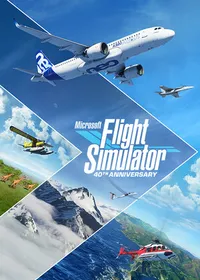
- Jul 2021 Microsoft Flight Simulator on Xbox Xbox Series X|S The first time on a games console
- Nov 2022 40th Anniversary Edition Windows, Xbox Free update: helicopters, gliders, 7 historic aircraft and Meigs Field
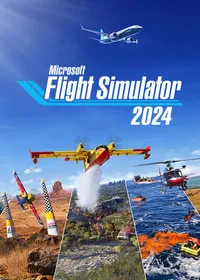
- Nov 2024 Microsoft Flight Simulator 2024 Windows, Xbox Series X|S A career mode with real flying jobs, and a far more detailed world
- Dec 2025 MSFS 2024 on PlayStation 5 PS5 The first time on a Sony console
Before Microsoft: subLOGIC (1976–1982)
In 1976, Bruce Artwick, an engineering graduate student and pilot at the University of Illinois, wrote his master's thesis on showing an aircraft's flight on a computer screen, and a series of magazine articles about flight in 3D graphics. When the magazine's editor told him readers wanted to buy the program, he founded subLOGIC in 1977 with his old roommate Stu Moment, also a pilot, to sell it.
Their first big product, Flight Simulator (often called FS1), came out for the Apple II in January 1980, followed by the TRS-80. It cost $25, drew black-and-white wireframe lines at "150 lines per second", and flew a slightly modernized WWI Sopwith Camel over a 6 × 6 grid of scenery. It even had a dogfight game, "British Ace". By June 1982 it had sold 30,000 copies, a hit for the time.
- 1980 · subLOGIC Flight Simulator (Apple II)
The DOS years: 1.0 to 5.1 (1982–1995)
In 1981, Microsoft's Alan M. Boyd asked Artwick for a "definitive game": something that would show how much better the new 16-bit IBM PC was than older 8-bit computers. subLOGIC licensed Microsoft a PC version, and in November 1982 Microsoft Flight Simulator went on sale, on a disk that booted the PC by itself.
You flew a Cessna 182 Skylane around Chicago, Los Angeles, New York or Seattle, in color, with a "Europe 1917" mode where you flew a Sopwith Camel against enemy planes. PC Magazine called it "extraordinarily realistic … a classic program, unique in the market", and predicted it would "sell its share of IBM PCs". It did more than that: new PC clone makers used Flight Simulator and Lotus 1-2-3 as an unofficial test of whether their machines were truly IBM-compatible. It sold about 800,000 copies in five years.
The versions that followed each added something we now take for granted:
- 2.0 (1984) added joystick and mouse control, and scenery for the whole United States.
- 3.0 (1988) brought sharper EGA graphics, a Learjet, and views from outside the plane. Artwick had left subLOGIC by then, and his new studio, the Bruce Artwick Organization, built the Microsoft versions from here on.
- 4.0 (1989) added random weather, a glider and traffic moving around airports. Add-on kits let fans design their own aircraft and scenery, the start of the add-on world that still drives the hobby. That year one games magazine called it "unquestionably the most popular computer game in the world".
- 5.0 (1993) replaced flat colors with textures and gave each aircraft its own cockpit. Computer Gaming World said it was "closer to simulating real flight than ever before".
- 5.1 (1995) was the first on CD-ROM, with satellite-photo scenery and 3D clouds and fog. It was also the last for DOS.
- 1988 · Flight Simulator 3.0
- 1989 · Flight Simulator 4.0
In November 1995, Microsoft bought the Bruce Artwick Organization and moved its team to Redmond.
Windows and 3D graphics cards (1996–2007)
Flight Simulator for Windows 95 (late 1996) was mostly 5.1 ported to Windows, but much faster. Then the series took off:
- Flight Simulator 98 (September 1997) was the first to use 3D graphics cards, through DirectX. It added the series' first helicopter, a Bell JetRanger, and grew from about 300 airports to over 3,000. It shipped a million copies in two months.
- By June 1999 the series had sold 21 million copies, a Guinness World Record for the best-selling flight simulator series.
- Flight Simulator 2000 (October 1999) had over 20,000 airports, GPS, real terrain heights, rain and snow, and live real-world weather, plus the Concorde and the then-new Boeing 777. It was also famously hard to run: the minimum was a 166 MHz Pentium, but players found they needed 400 to 500 MHz for smooth flying.
- Flight Simulator 2002 (October 2001) added air traffic control you could talk to and computer-flown planes sharing the sky.
- Flight Simulator 2004: A Century of Flight (July 2003) marked 100 years since the Wright brothers, with the Wright Flyer, Ford Tri-Motor and DC-3, true 3D clouds and weather from real weather stations. It was the last version to start you at Meigs Field, Chicago's lakefront airport, which the city had closed earlier that year.
- Flight Simulator X (October 2006), or FSX, built by Microsoft's Aces Game Studio, was the first on DVD and the first with online activation. Two pilots could share one cockpit online, and you could finally fly over the poles. FSX ran best on a fast processor, more than on a fast graphics card. The Acceleration expansion (2007) added an F/A-18 Hornet, a P-51D Mustang and air races.
- 2001 · Flight Simulator 2002
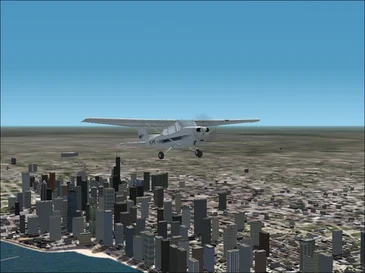
- 2003 · Flight Simulator 2004
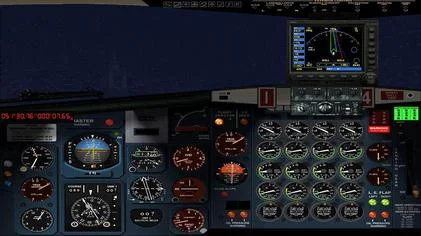
- 2006 · Flight Simulator X
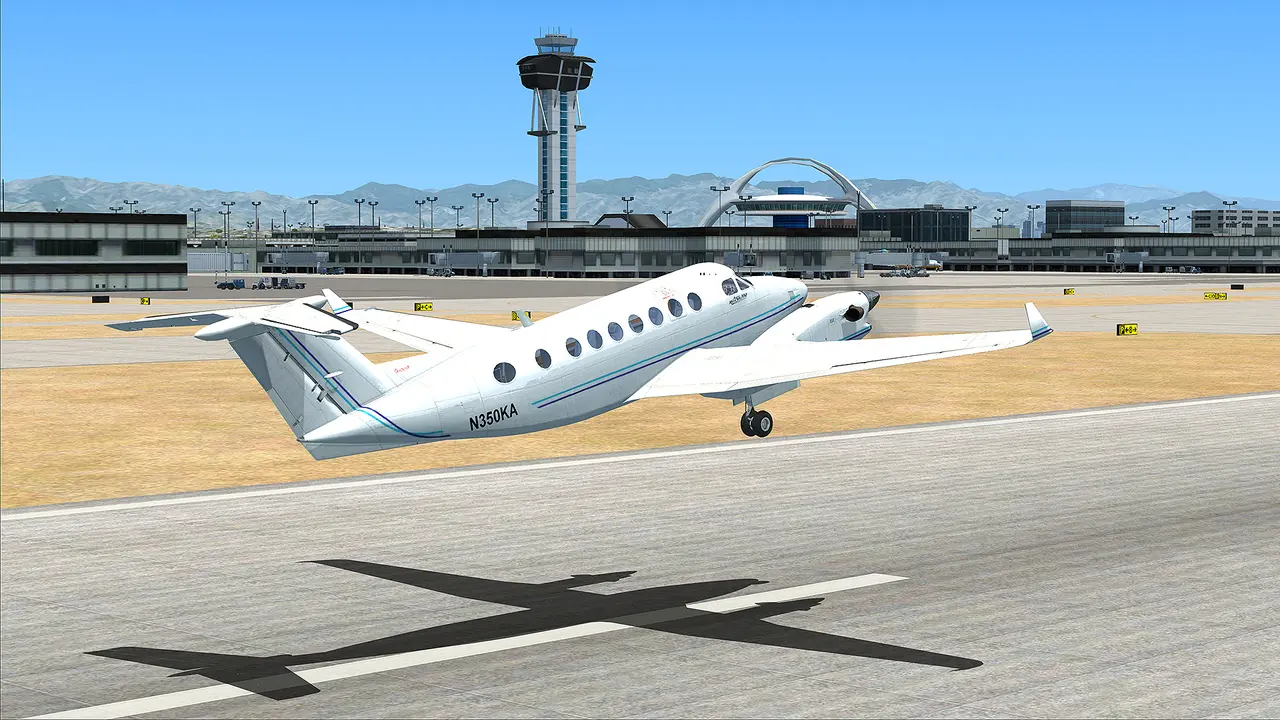
- 2007 · FSX: Acceleration
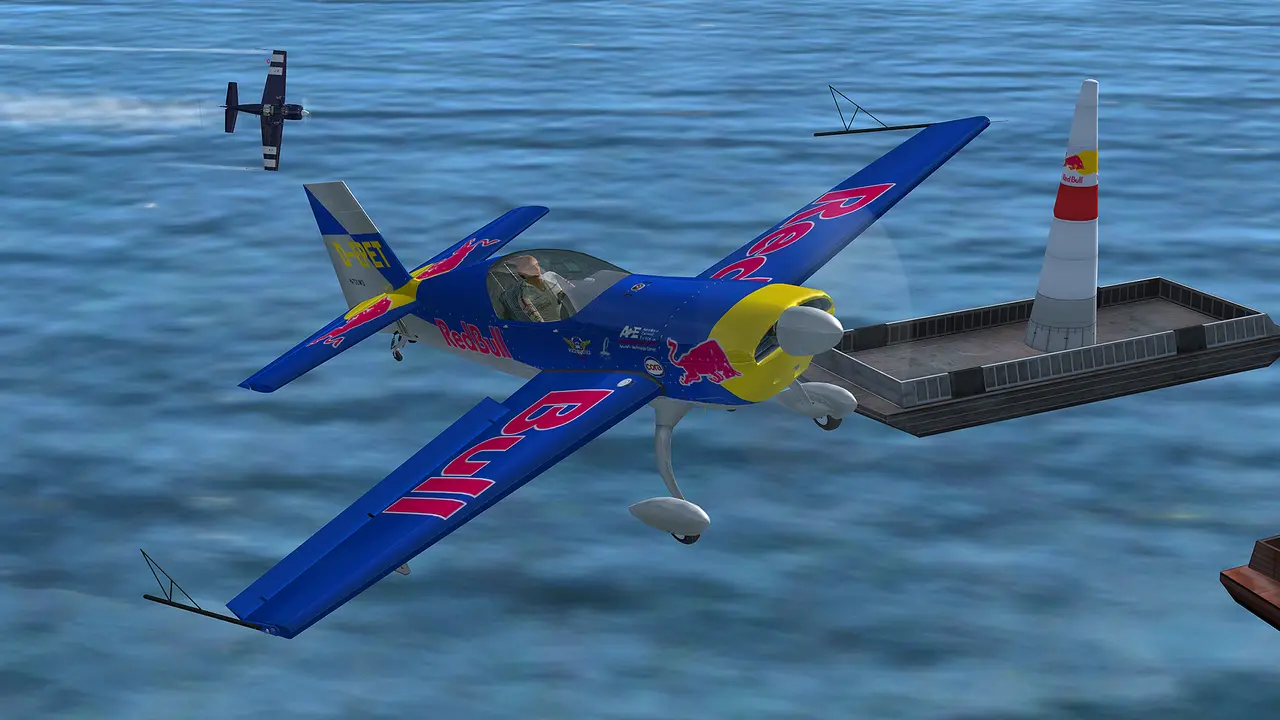
The gap: 14 years without a new Flight Simulator
In January 2009, Microsoft closed Aces Game Studio, and with it the team behind Flight Simulator. What came next was a long pause:
- Lockheed Martin licensed FSX's code for training and launched it as Prepar3D in 2010. Most FSX add-ons worked in it.
- Microsoft Flight (February 2012) was a free-to-play spin-off, set in Hawaii, where you bought extra aircraft and scenery. It wasn't compatible with Flight Simulator add-ons, and Microsoft stopped work on it after five months. It's not counted as part of the series.
- Dovetail Games re-released FSX on Steam as FSX: Steam Edition in December 2014. It's still on sale today.
Meanwhile, the simmers kept flying FSX, and spent a decade adding to it.
Microsoft Flight Simulator (2020): the whole planet
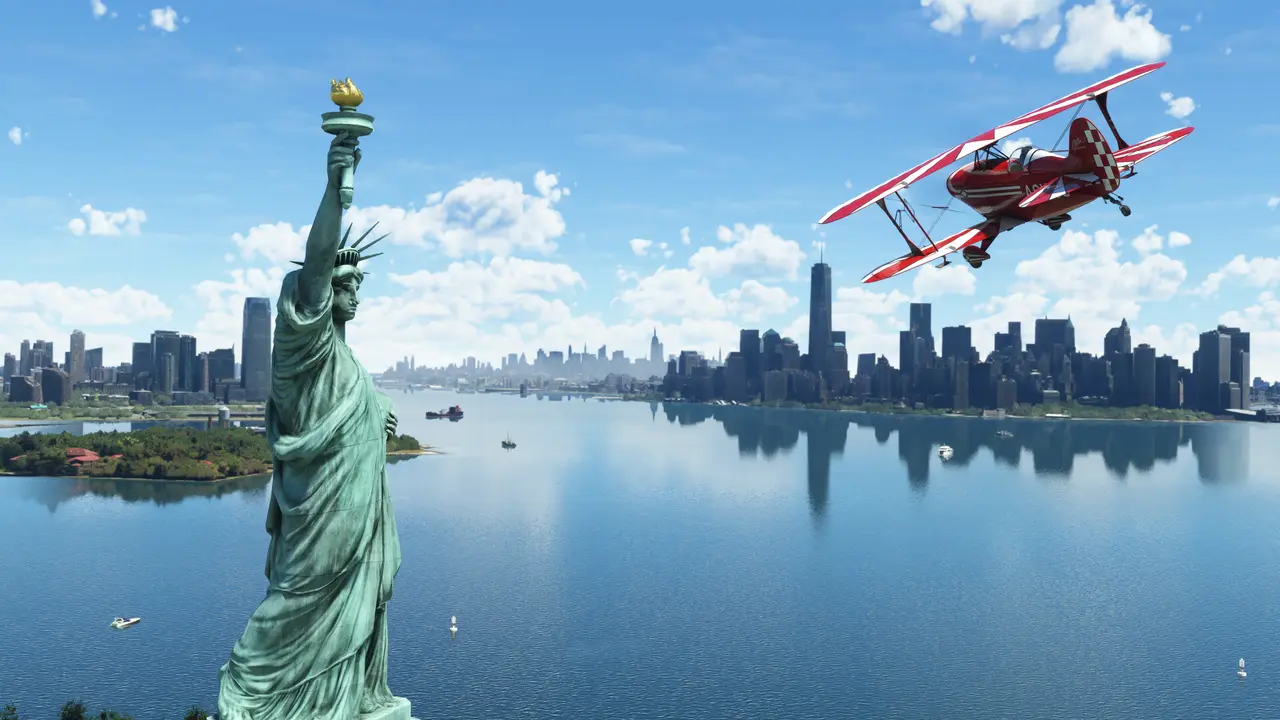
At E3 in June 2019, Microsoft announced a new Microsoft Flight Simulator, built by Asobo Studio in France. It came out for Windows on August 18, 2020, and it changed what a flight sim could be: the whole planet, built from Bing Maps aerial photos and 3D-scanned cities, with about 37,000 airports, 1.5 billion buildings and 2 trillion trees, live weather, and the world streamed from Microsoft's servers as you fly.
- Rio de Janeiro
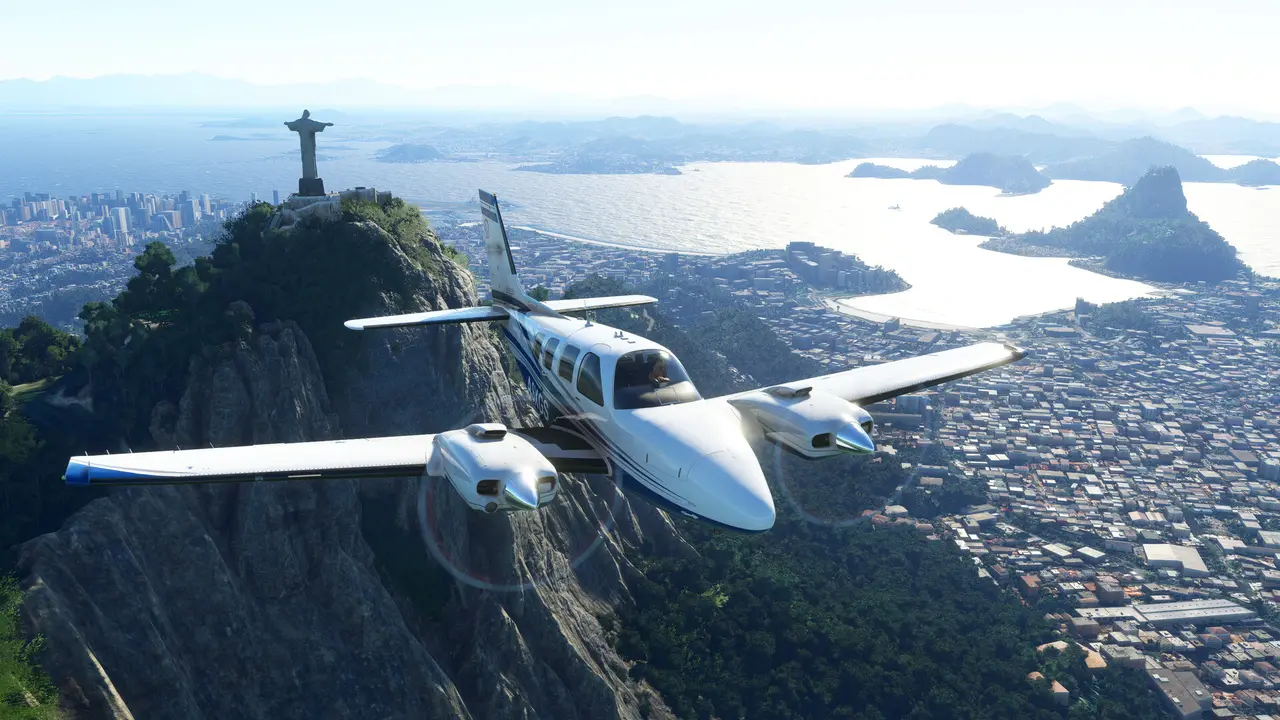
- New York
It reached the Xbox Series X|S on July 27, 2021, the first time the series had been on a games console. Over a million people played it in its first weeks, and by September 2024 Microsoft said 15 million had. FSX, by comparison, took 16 years to reach 5 million.
The 40th Anniversary Edition (2022)
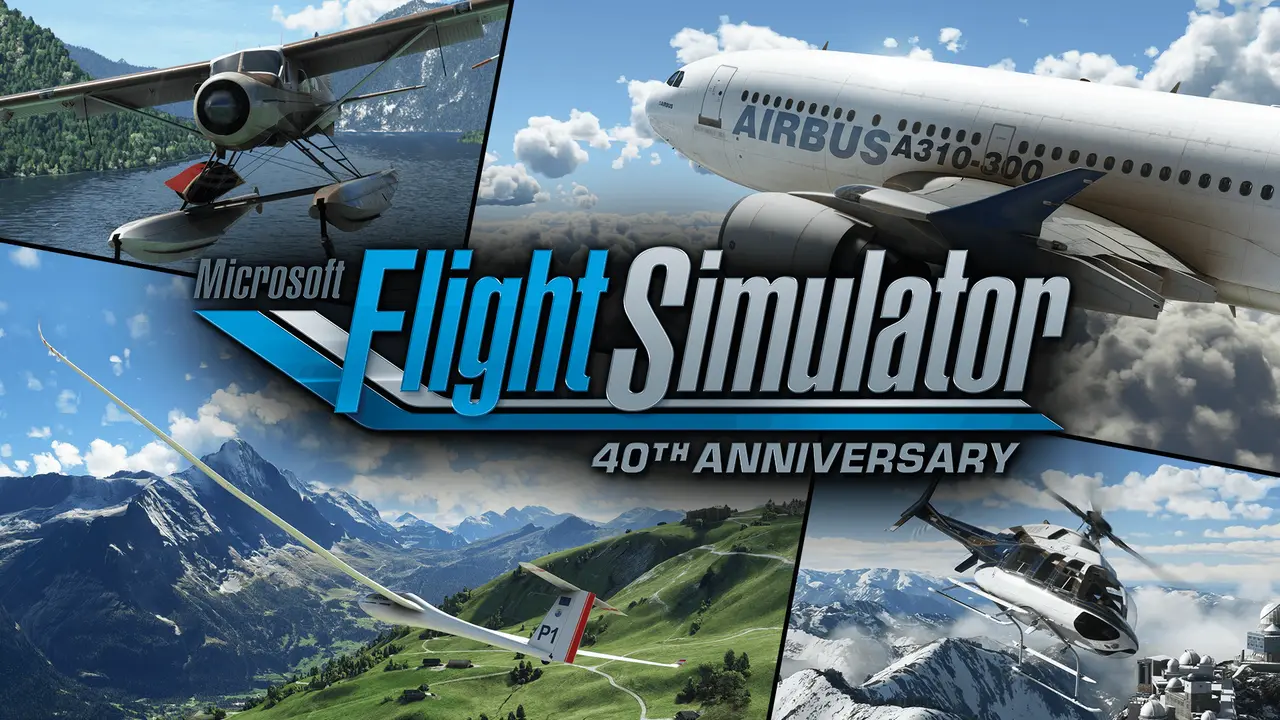
Microsoft announced the 40th Anniversary Edition at its Xbox & Bethesda Games Showcase on June 12, 2022, and released it on November 11, 2022, close to 40 years after the first version. It was a free update for everyone who owned Microsoft Flight Simulator or played it through Xbox Game Pass. Microsoft called the series its "longest-running franchise".
What the 40th Anniversary Edition added
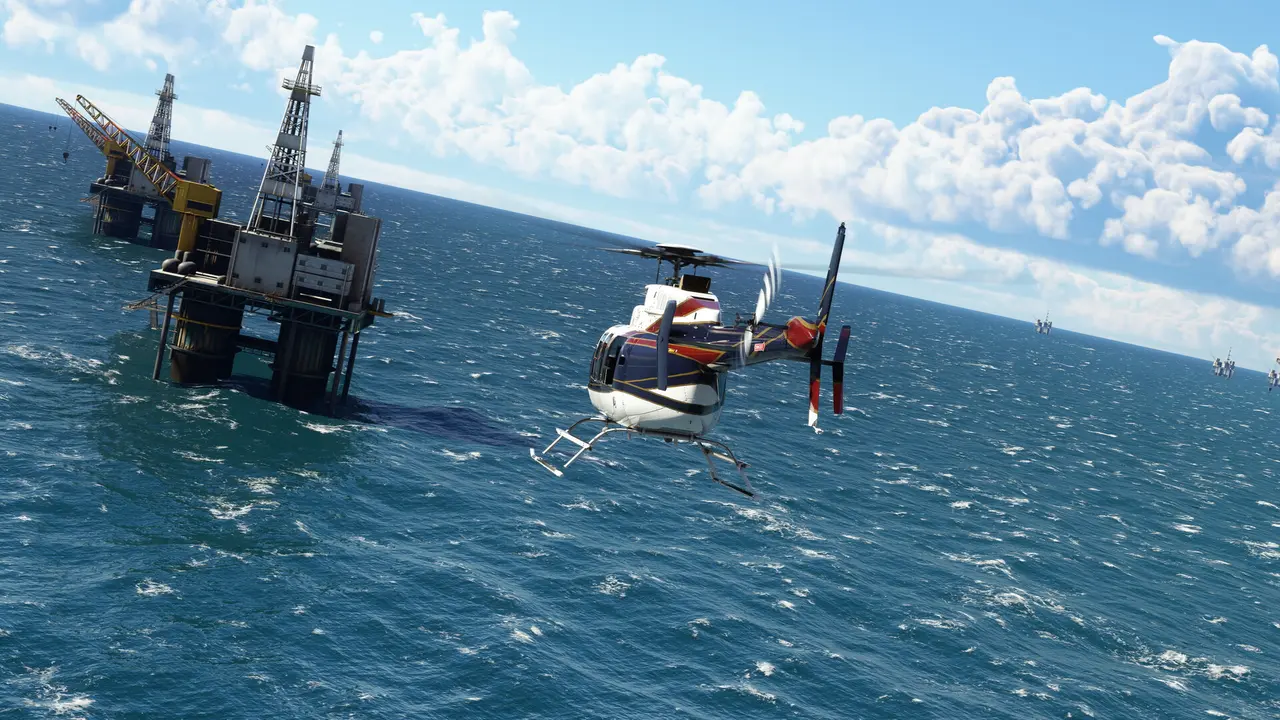
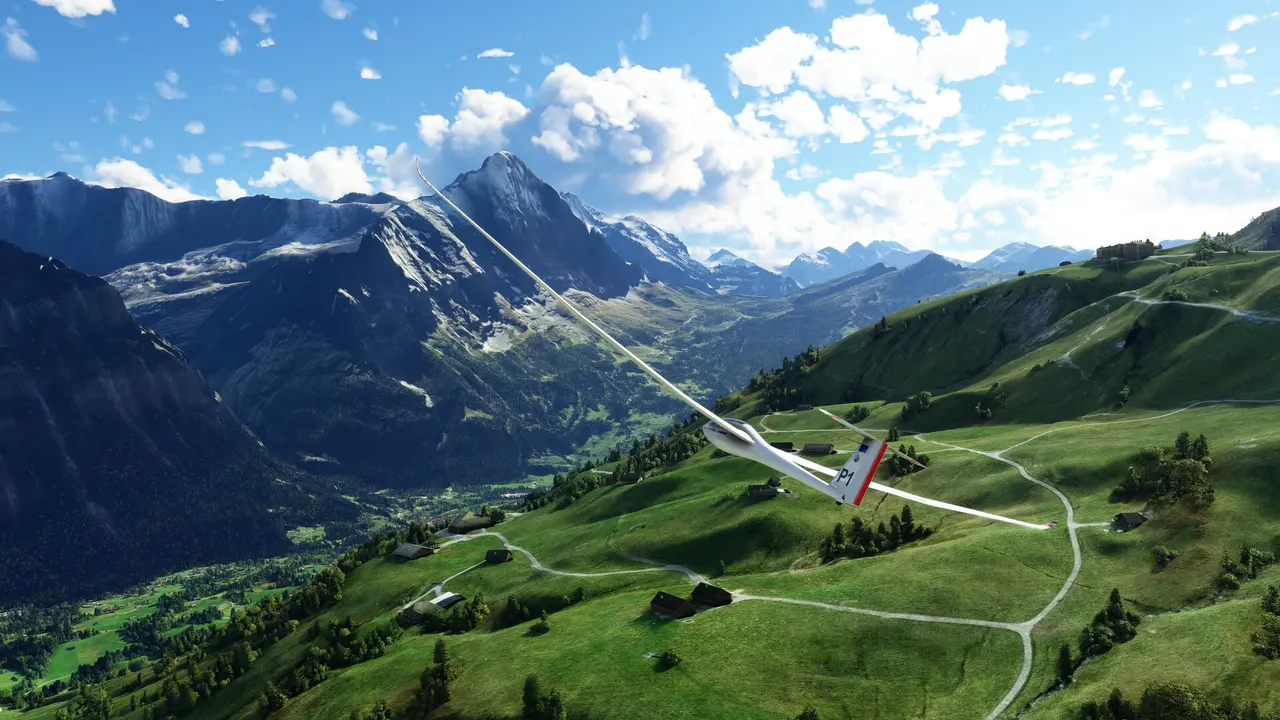
- Helicopters and gliders, for the first time since FSX: the Bell 407 and Guimbal Cabri G2, with 14 heliports, and the DG Aviation LS8-18 and DG-1001E neo, with 15 glider airports.
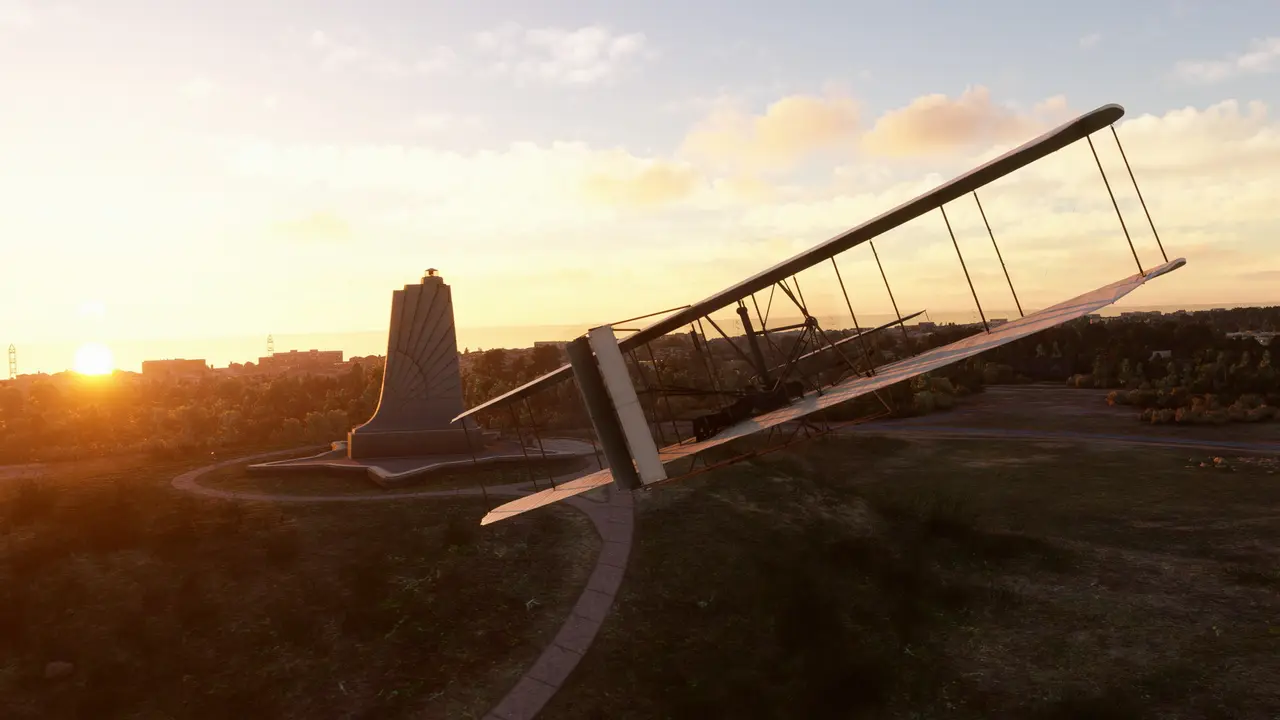
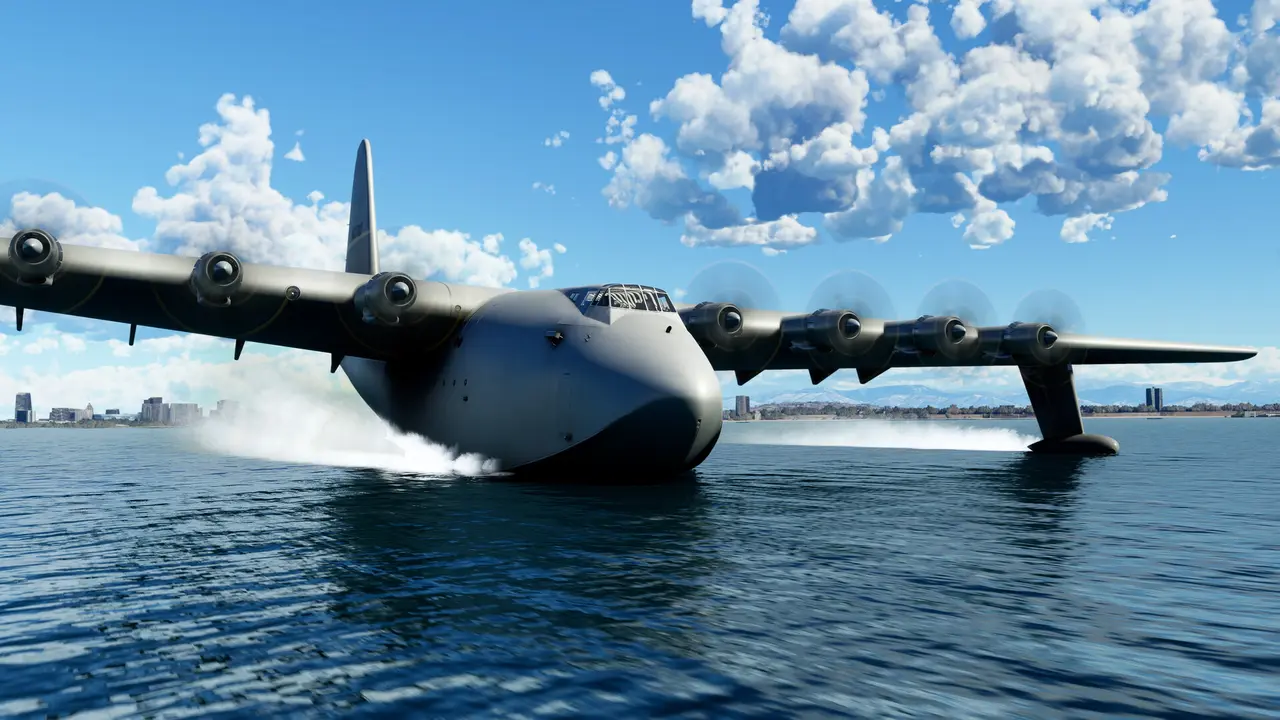
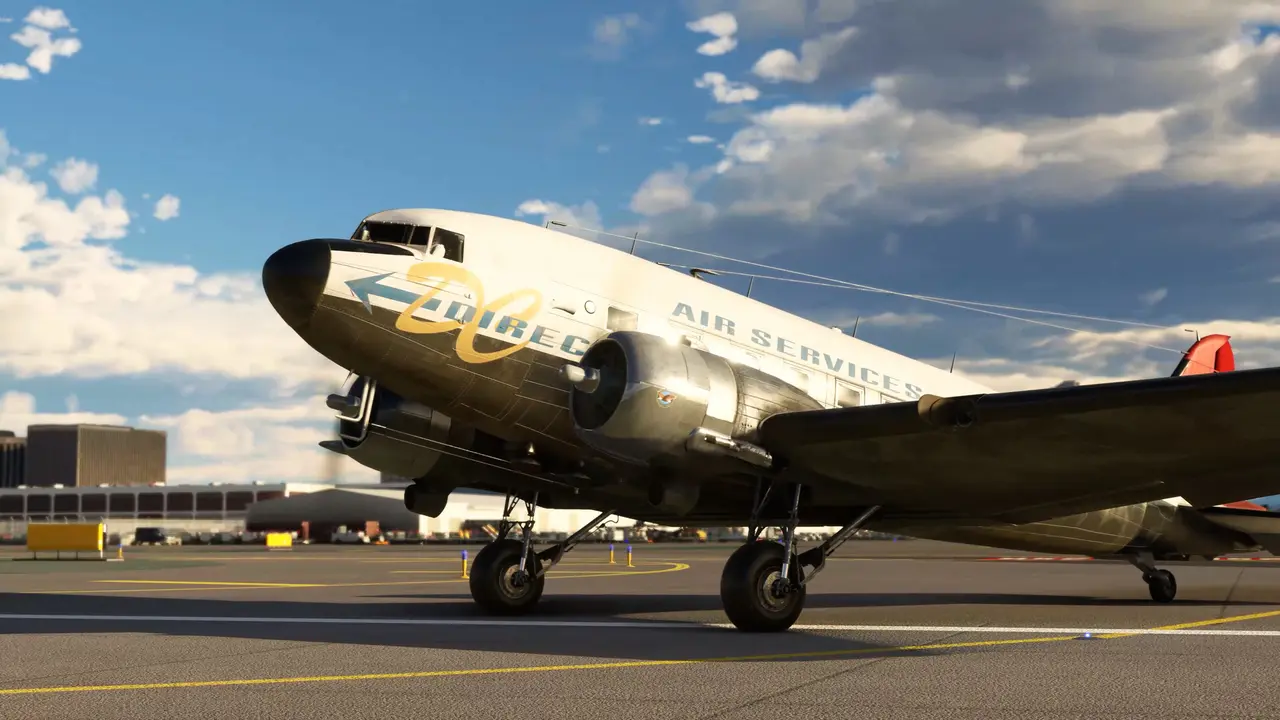
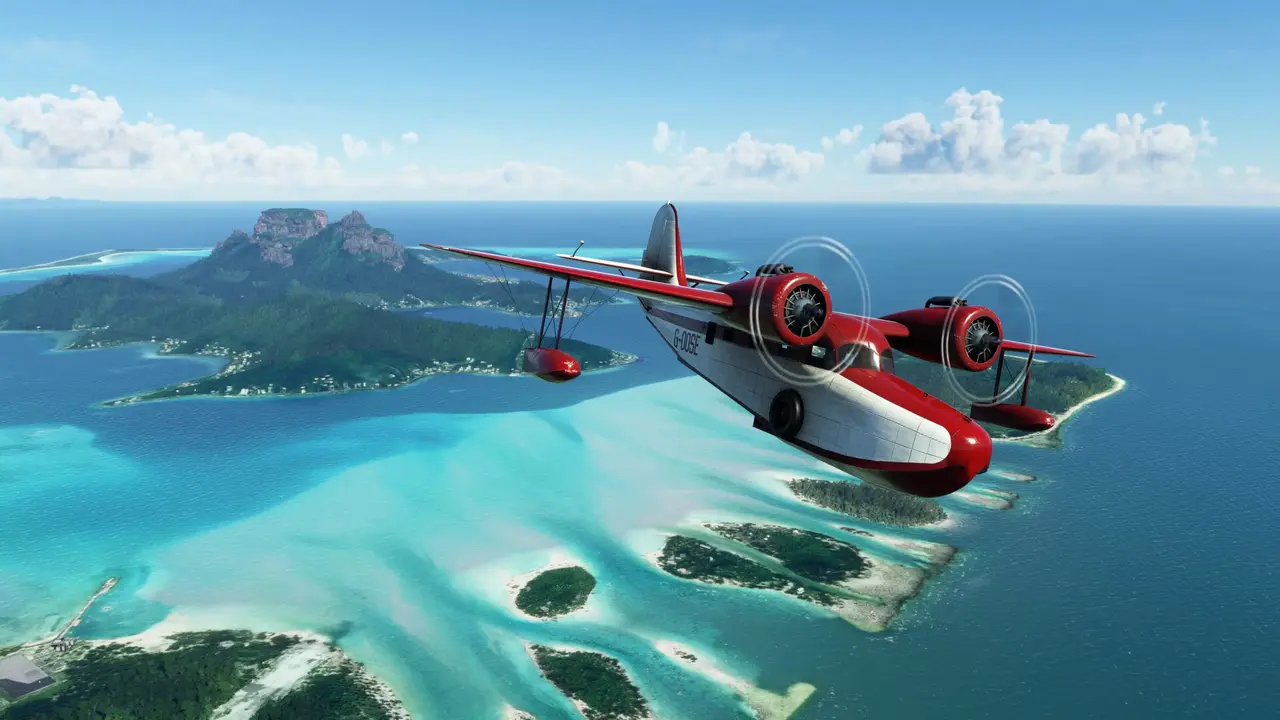
- Seven historic aircraft: the 1903 Wright Flyer, 1915 Curtiss JN-4 "Jenny", 1927 Ryan NYP "Spirit of St. Louis" (made with the Smithsonian's National Air and Space Museum), 1935 Douglas DC-3, 1937 Grumman G-21 Goose, 1947 de Havilland Canada DHC-2 Beaver and 1947 Hughes H-4 Hercules, the "Spruce Goose".
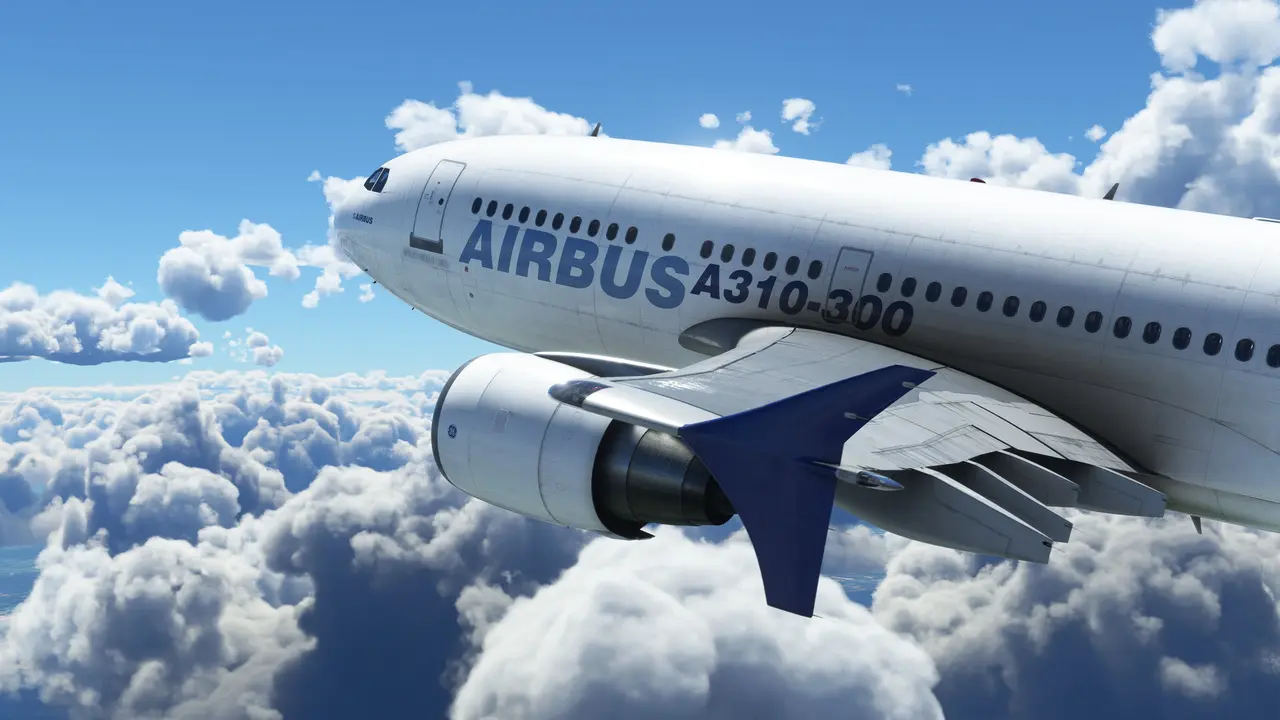
- A detailed Airbus A310-300 airliner, built with the add-on studio iniBuilds.
- Four classic airports: Meigs Field in Chicago, the series' traditional home airport, back for the first time since 2004; Hong Kong's old Kai Tak; Princess Juliana in Sint Maarten, where planes land low over the beach; and First Flight Airport at Kitty Hawk.
- 24 classic activities from earlier Flight Simulator versions.
- 1903 Wright Flyer
- Hughes H-4 “Spruce Goose”
- Douglas DC-3
- Airbus A310-300
- New: helicopters
- New: gliders
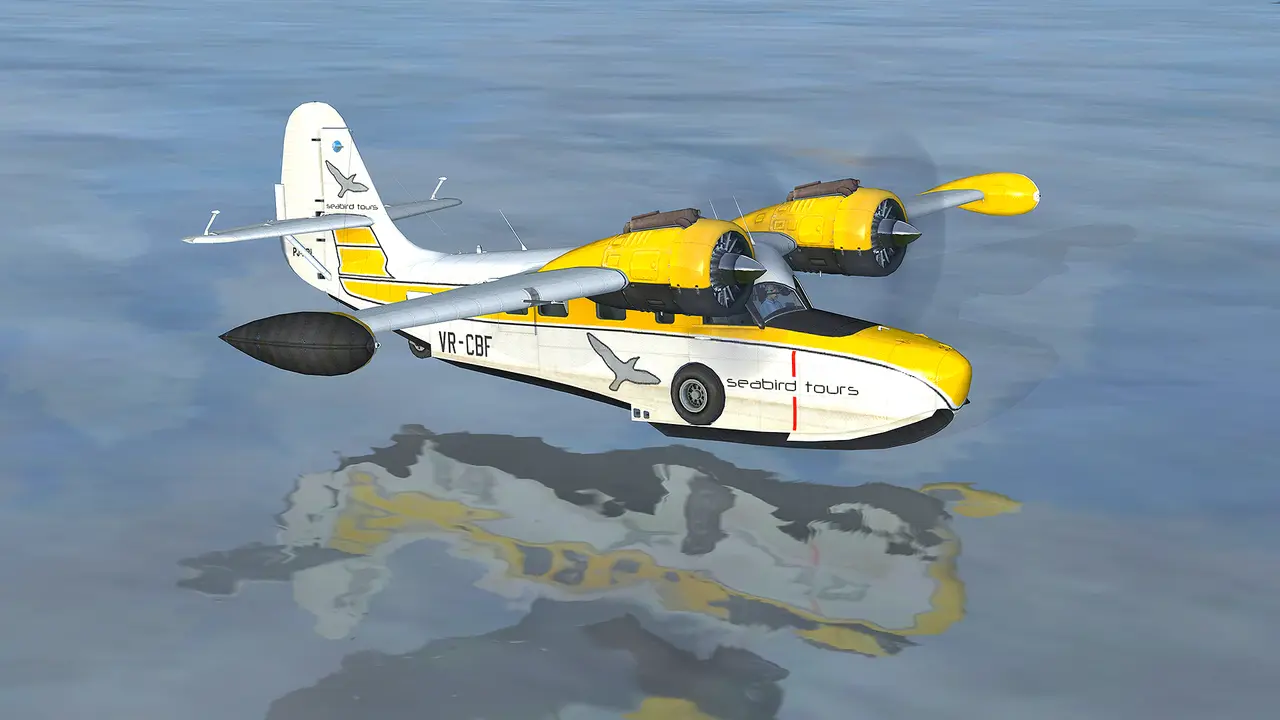
Some of these were old friends. The Grumman Goose had flown in FSX's Deluxe edition:
- 2006 · Flight Simulator X
- 2022 · 40th Anniversary Edition
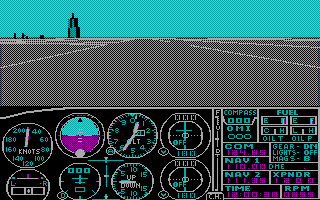
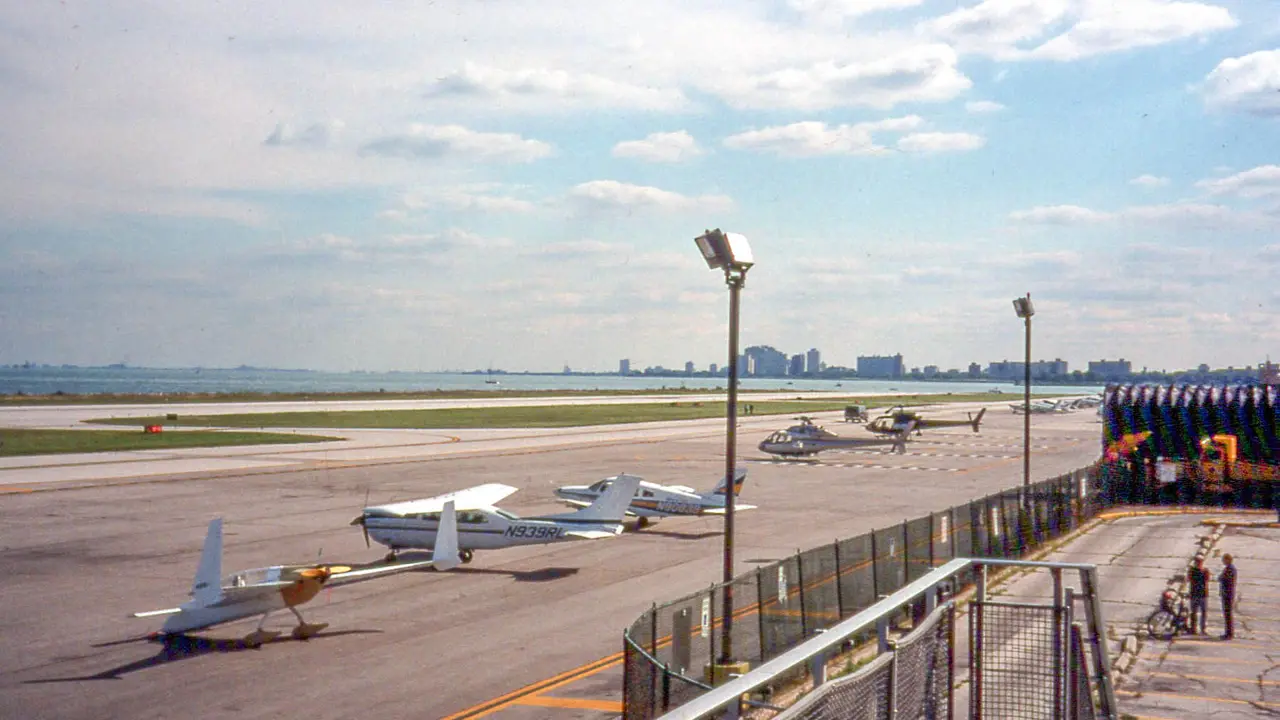
And Meigs Field was a homecoming. For years, Flight Simulator started you on its runway, by Chicago's lakefront. The city closed the real airport suddenly in March 2003, and FS2004 was the last version to start there, until the 40th Anniversary Edition brought it back:
- 1986 · Flight Simulator 2
- 1996 · Flight Simulator for Windows 95
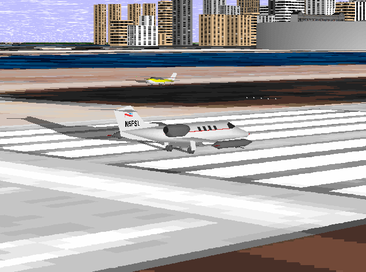
- 1997 · The real Meigs Field
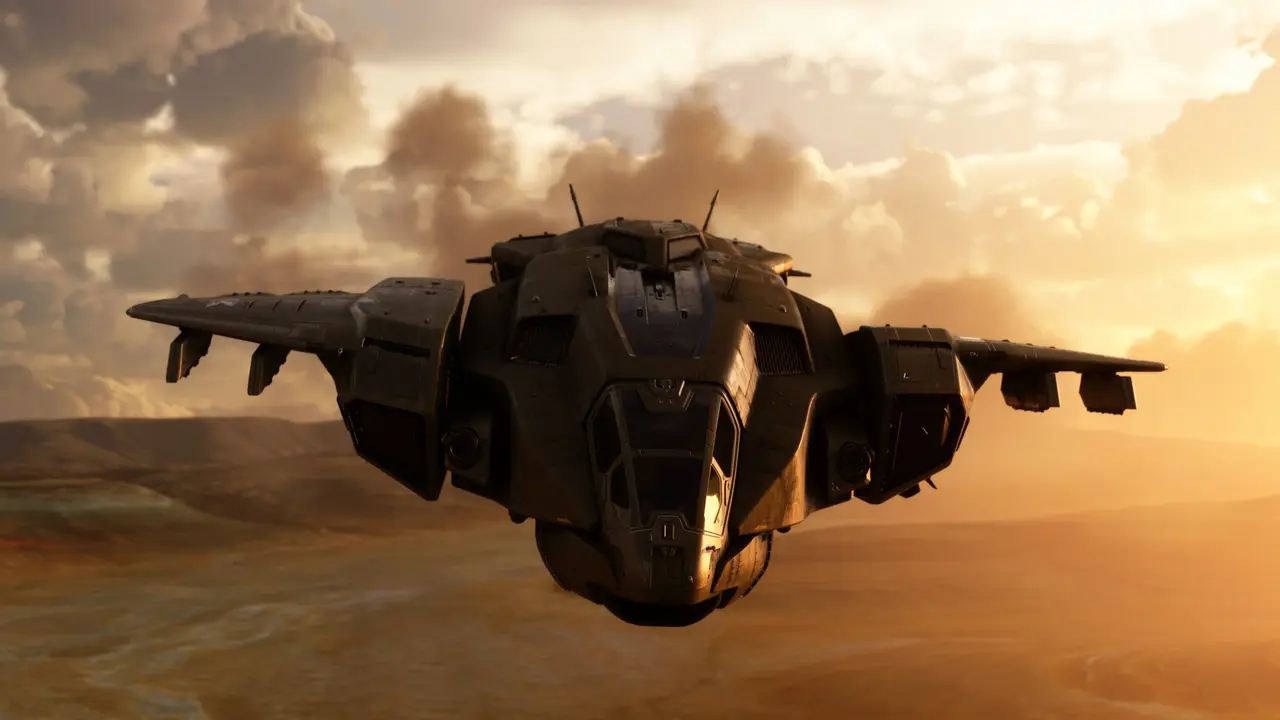
On the day the 40th was announced, Microsoft also released a free Halo Infinite Pelican to fly, made with Halo's studio, 343 Industries.
Is the 40th Anniversary Edition a separate game?
No. It's Microsoft Flight Simulator (2020) with the update included. The Xbox store and Steam now sell that game as "Microsoft Flight Simulator (2020) 40th Anniversary Edition", in Standard, Deluxe and Premium Deluxe versions. The higher editions add more aircraft and handcrafted airports. If you owned the 2020 game, you already have it.
40th Anniversary Edition or MSFS 2024: which should you buy?
| MSFS 2020 (40th Anniversary Edition) | MSFS 2024 | |
|---|---|---|
| Released | August 2020 (PC), July 2021 (Xbox) | November 2024 (PC, Xbox), December 2025 (PS5) |
| Platforms | Windows, Xbox Series X|S, Xbox Cloud Gaming | Windows, Xbox Series X|S, PS5 |
| Minimum PC | 8 GB RAM, GTX 770 or RX 570, 150 GB | 16 GB RAM, GTX 970 or RX 5700, 50 GB, 10 Mbps internet |
| Recommended PC | 16 GB RAM, GTX 970 or RX 590 | 32 GB RAM, RTX 2080 or RX 5700 XT, 50 Mbps |
| Career mode and jobs | No | Yes: firefighting, rescue, cargo, airline and more |
| Helicopters and gliders | Yes, since the 40th Anniversary update | Yes |
| Add-ons bought for 2020 | Yes | Virtually all Marketplace add-ons work, Microsoft says |
Our take: buy MSFS 2024 if your PC or console can run it. It's the version Microsoft is building on, it's the only one on PS5, and it needs a third of the disk space. Pick the 40th Anniversary Edition only if your PC is below MSFS 2024's minimum, for example with 8 GB of RAM. It runs on older hardware and it's still a great sim. Not sure about your PC? Check what MSFS 2024 needs and the best PCs for it.
MSFS 2024 and the PS5 (2024–today)
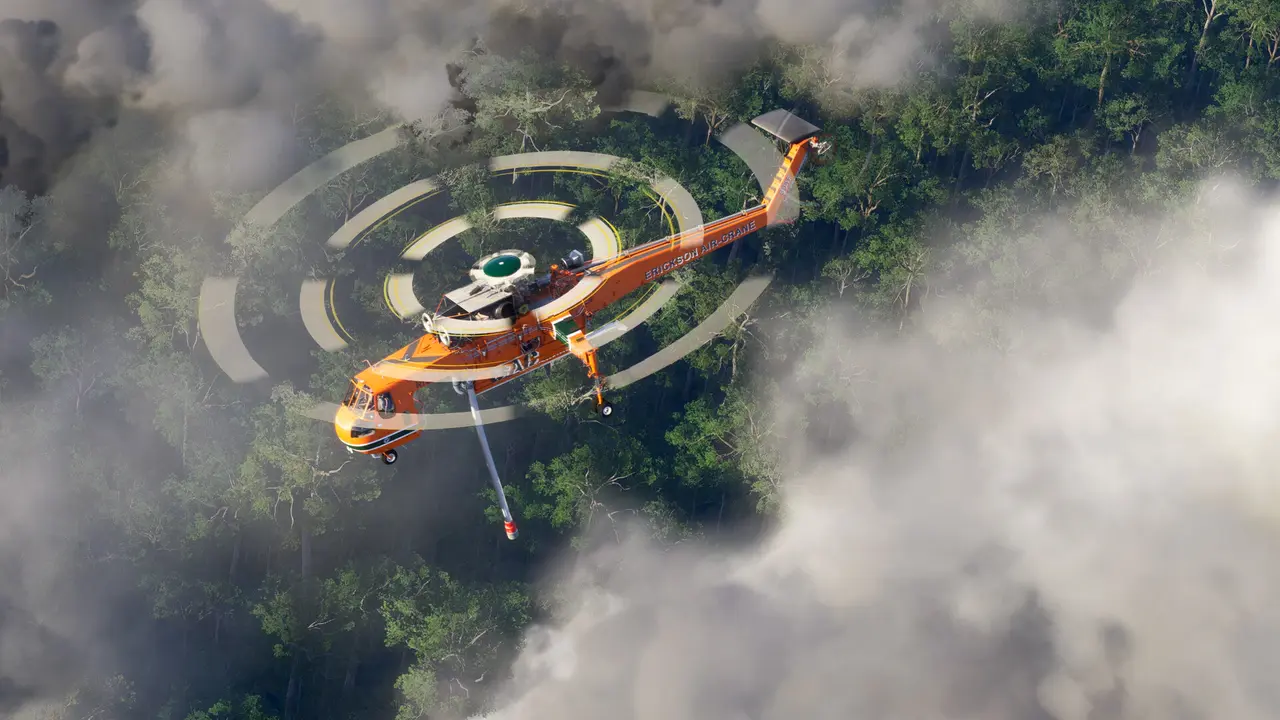
Microsoft announced Microsoft Flight Simulator 2024 in June 2023 and released it on November 19, 2024, for Windows and the Xbox Series X|S. Launch day was rough: so many people logged in that servers struggled and many couldn't load the game. The sim itself adds a career mode, where you earn certificates and take real flying jobs, from aerial firefighting and search and rescue to airline flying, plus airships, hot air balloons and a much more detailed world.
- Aerial firefighting
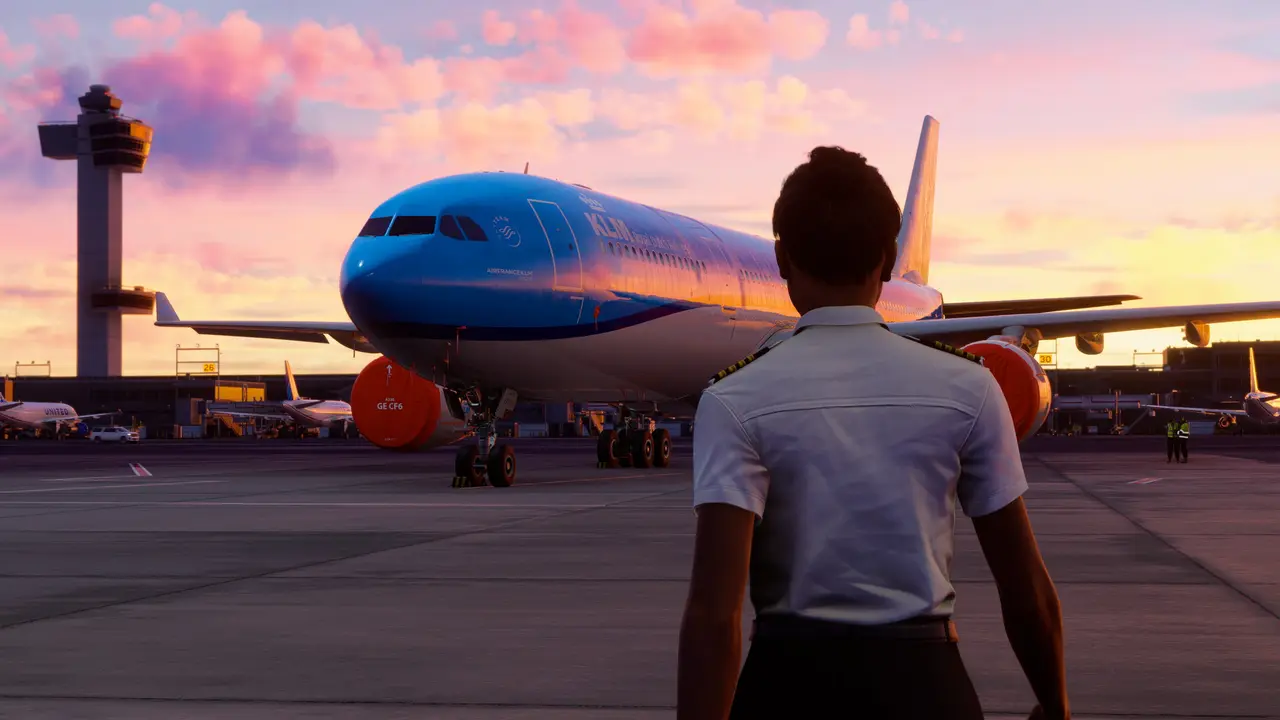
- Walk around your aircraft
- Airships and balloons
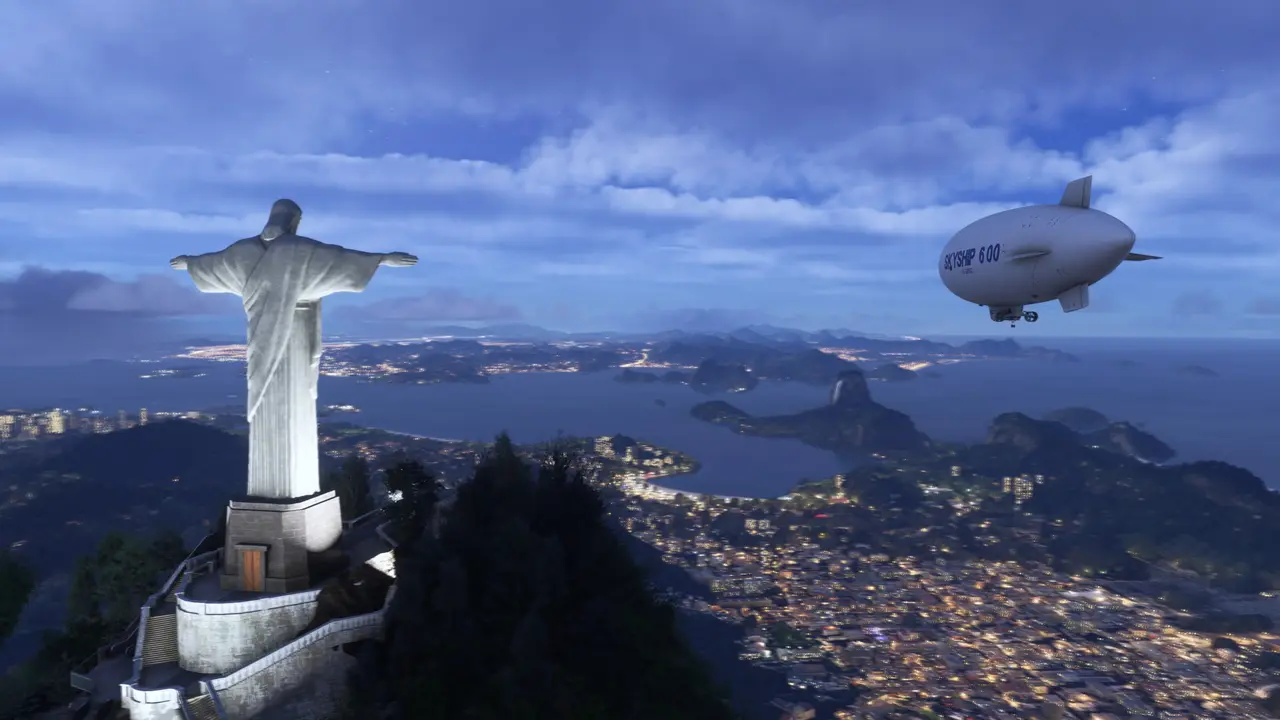
On December 8, 2025, it came to the PlayStation 5, the first time the series has been on a Sony console. PS VR2 support followed in April 2026. Forty-three years after the first version, it's still a Microsoft flight simulator, and still one of the longest-running game series of all time.
Want to see how it stacks up today? Our guide to the best flight simulators compares MSFS 2024 with X-Plane 12, DCS World and the rest, and X-Plane 12 vs MSFS goes head to head.
What each version needed to run
Every Flight Simulator has pushed the PCs of its day. The first one needed 64 KB of memory. MSFS 2024 needs at least 16 GB, about a quarter of a million times as much:
Minimum memory (RAM), 1982 to 2024: MSFS 2024 asks for 262,144 times as much as the first version.
- Flight Simulator 1.01982 64 KB Intel 8088 (the IBM PC) · CGA color graphics card · One 5¼-inch floppy disk
- Flight Simulator 5.11995 4 MB Intel 386 · VGA · 20 MB of disk
- Flight Simulator 981997 8 MB Intel 486 at 66 MHz · SVGA, a 3D card optional · 100 MB of disk
- Flight Simulator X2006 256 MB 1 GHz processor · 32 MB DirectX 9 card · 14 GB of disk
- MSFS (2020)2020 8 GB Intel Core i5-4460 or Ryzen 3 1200 · GeForce GTX 770 or Radeon RX 570 · 150 GB of disk
- MSFS 20242024 16 GB Ryzen 5 2600X or Core i7-6800K · GeForce GTX 970 or Radeon RX 5700 · 50 GB of disk, plus a 10 Mbps connection
Some things haven't changed. Flight Simulator still leans on the processor more than most games, because it simulates the aircraft, weather and traffic around you while drawing the world. And the controls matter as much as ever: Flight Simulator has supported joysticks since 1984. If you're setting up for MSFS 2024 today:
- A PC: the best PCs for MSFS 2024, or three PC builds if you'd rather build your own.
- Storage: how much space MSFS 2024 and 2020 need.
- Controls: which joysticks, yokes and pedals work on PC, Xbox and PS5, and the best flight sticks.
Can you still play the old versions?
- FSX is the oldest version you can still buy: FSX: Steam Edition is on Steam, for Windows.
- Flight Simulator 1.0 to 5.1 were DOS programs. If you still have the disks, they run in a DOS emulator such as DOSBox.
- Flight Simulator 95 to 2004 aren't sold anymore, and old Windows games like these often need workarounds on Windows 10 and 11.
- The easiest way to fly the classics: MSFS 2020's 40th Anniversary Edition includes the Wright Flyer, the "Jenny", the DC-3 and Meigs Field, and 24 activities from earlier versions.
How we put this together
We first wrote about Flight Simulator's history and its 40th anniversary in 2022. This page replaces both posts, rewritten and updated through MSFS 2024 on PS5. Dates and details come from Microsoft's own announcements (Xbox Wire and the Flight Simulator release notes), the original boxes and Microsoft support pages for the system requirements, the Xbox and Steam stores, and published histories of the series. We checked them on October 8, 2026.